Catfish Hunter River Fishing Review
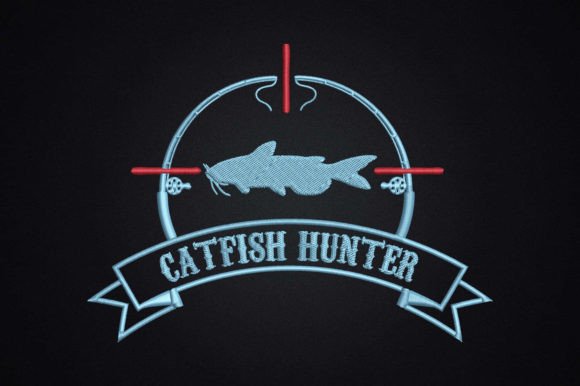
As an embroidery designer who has spent countless hours hooping, stitching, and troubleshooting for clients, I approach every new machine embroidery design with a mix of excitement and caution. When I first loaded the Catfish Hunter River Fishing Catfishing file into my software, I was immediately struck by its potential to bridge the gap between rugged outdoor enthusiasm and refined home decor. This isn’t just a graphic; it is a storytelling element that can transform a simple piece of fabric into a cherished keepsake.
In my studio, I test designs not just for how they look on a screen, but for how they perform in the real world. I imagine the end-user: perhaps a wife looking for a unique anniversary present for her husband who loves spending weekends by the river, or a daughter wanting to customize a tote bag for her father’s birthday. The Catfish Hunter River Fishing Catfishing design fits squarely into the Camping and outdoor lifestyle niche, yet its application extends far beyond typical gear. It offers a warmth and personality that appeals to anyone who values handmade quality and personal connection.
First Impressions: Mood and Aesthetic Appeal
The initial charm of this design lies in its balance. It avoids being overly cartoonish while steering clear of sterile, corporate logos. Instead, it captures the spirit of the angler with a touch of nostalgia. For me, the mood is classic and playful, evoking memories of early morning mist on the water and the quiet patience required for catfishing. This emotional resonance is crucial when creating a personalized gift. We are not just selling stitches; we are selling a feeling.
When considering the detail level, I look for clarity. Does the design hold up when scaled down for a pocket logo, or does it need the space of a large blanket embroidery project? From my preliminary review, the lines appear clean and well-defined, suggesting that it would translate beautifully onto various textiles. Whether you are aiming for a sweet, homemade vibe for a nursery item or a bold statement for a man cave pillow, the versatility here is promising. It feels modern enough for contemporary Etsy seller shops but traditional enough to appeal to older generations who appreciate the craft of fishing.
Versatility Across Product Lines
One of the strongest assets of the Catfish Hunter River Fishing Catfishing motif is its adaptability. In my experience, a single strong design can power an entire product line if applied correctly. Here is how I envision this design performing across different categories:
- Home Decor: Imagine this stitched onto a neutral-toned pillow cover for a lakeside cabin. The contrast of the thread against linen or cotton canvas creates a sophisticated, rustic look.
- Kitchen Textiles: An embroidered towel makes for a practical yet thoughtful gift. The design’s durability is key here, as kitchen items undergo frequent washing.
- Apparel and Accessories: For a more casual approach, consider a custom tote bag or a high-quality apron. These items serve as excellent small shop product staples because they are easy to ship and highly visible when used.
- Family Keepsakes: While not traditionally a baby embroidery theme, a softened version with pastel thread colors could work for a "Future Fisherman" onesie or bib, appealing to families who want to pass down traditions early.
For wedding gift designers, this might seem unconventional, but for couples who bond over outdoor adventures, incorporating their shared hobbies into their home goods is a growing trend. A customized throw blanket featuring this design could be a standout item for a registry.
Technical Considerations for Professional Results
While the aesthetic appeal is high, the technical execution determines whether a product looks amateur or professional. As a designer, I always advise checking specific technical details before committing to a large batch of custom embroidery. Since the product description notes that this digital embroidery file comes in multiple formats, you must ensure you are using the correct version for your machine to avoid conversion errors that can distort stitch paths.
Stitch density is a critical factor. If the design is too dense, it can cause puckering, especially on lighter fabrics like t-shirts or dresses. Conversely, if it is too sparse, the backing fabric might show through, ruining the visual impact. I recommend running a test stitch-out on scrap fabric that matches the weight and weave of your final product. This allows you to adjust tension and check for any thread breaks or nesting issues.
Another vital component is the stabilizer. For textured fabrics like thick towels or waffle-weave blankets, a cut-away stabilizer is often necessary to support the stitches over time. For stretchy materials, such as baby clothes or performance wear, a hoop-and-stick method with a tear-away or wash-away stabilizer might provide better results without restricting the fabric's natural give. Always confirm the recommended hoop size for your specific machine, as resizing a design beyond its intended dimensions can lead to distorted proportions and poor stitch quality.
Navigating Fabric and Color Challenges
Color contrast can make or break the visibility of your design. The Catfish Hunter River Fishing Catfishing motif likely relies on specific shading to define the fish and the angler. When working on dark fabrics, you may need to use a underlay stitch or choose brighter, high-contrast thread colors to ensure the details pop. On light fabrics, subtle tonal variations can create a more elegant, understated look.
Be cautious with delicate details. If the design includes fine lines or small text, these may not stitch out cleanly on highly textured surfaces like terry cloth or heavy canvas. In such cases, simplifying the design or increasing the scale can help maintain clarity. Additionally, curved surfaces, such as the sleeve of a shirt or the corner of a pillow, require careful hooping to prevent distortion. Taking the time to create a printable mockup or a digital preview can help you visualize these challenges before you waste expensive materials.
Enhancing Giftability and Perceived Value
Ultimately, the success of a handmade product hinges on its perceived value. A well-executed embroidery design elevates a basic item into a luxury good. When customers see the precision and care in the stitching of the Catfish Hunter River Fishing Catfishing design, they associate that quality with the giver’s thoughtfulness. This emotional connection drives buyer engagement and encourages repeat business for commercial embroidery sellers.
High-quality product photography is essential to showcase this value. Capture close-ups of the stitch texture, the sheen of the threads, and the design in context—perhaps next to fishing gear or on a cozy reading nook. These visuals help customers imagine the product in their own lives, increasing the likelihood of a sale. For Etsy sellers and small business owners, highlighting the customization options and the durability of the embroidery can further differentiate your listings from mass-produced alternatives.
In conclusion, the Catfish Hunter River Fishing Catfishing design offers a compelling opportunity for creators in the Embroidery and camping niches. By paying attention to technical details, selecting appropriate materials, and marketing the emotional appeal of the design, you can create products that resonate deeply with customers. Always remember to verify commercial licensing terms before selling finished products, ensuring that your creative business remains both profitable and compliant. With careful planning and skilled execution, this design can become a staple in your portfolio, delighting anglers and gift-givers alike.