Dahlia Review: A Versatile Stitch for Home and Apparel
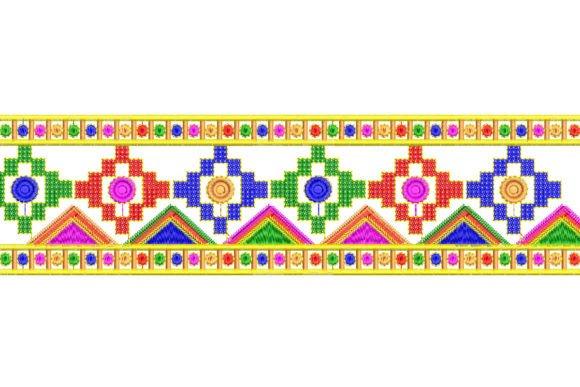
When I first pulled up the Dahlia file on my digitizing software, I wasn't looking for just another floral motif to add to my library. As someone who runs a small craft business and frequently fulfills custom orders for clients, I need designs that hold up under scrutiny. This machine embroidery design immediately caught my eye because of its hybrid approach, blending the structural integrity of cross stitch with the lush sheen of satin work. It is a rare find in the Single Flowers category to see a digitizer take such a confident risk with texture, and my first instinct was to determine if this visual personality translates well from screen to fabric.
First Impressions and Visual Mood
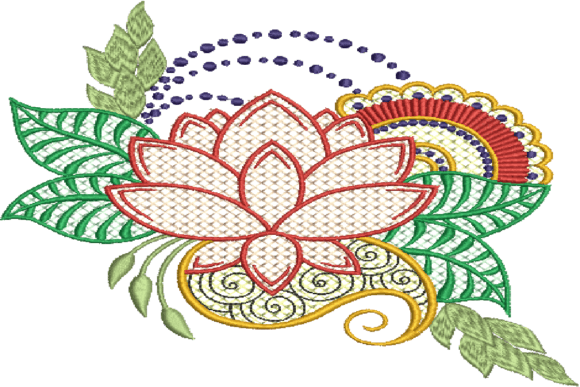
The mood of Dahlia is distinctly rustic yet refined. The inclusion of cross stitch elements gives it a handmade, heritage feel, while the satin portions provide the necessary pop and dimension that modern customers expect from a high-quality finished product. Visually, the layout feels balanced; it isn't so dense that it becomes a stiff puckered mess, nor is it so sparse that the fabric shows through awkwardly. For an Etsy seller or boutique owner, this duality is gold. It allows the design to fit seamlessly into both farmhouse-style decor and contemporary custom apparel. The shape suggests a natural bloom without being overly realistic, which means it pairs well with various typography styles if you decide to add monograms or dates later.
Real-World Application: The Tote Bag Test
To truly evaluate this embroidery file, I imagined a specific real-life scenario: preparing a run of canvas tote bags for a local farmer's market. These bags need to look professional but also withstand the rigors of carrying groceries and books. Dahlia seems tailor-made for this tote bag design application. The satin sections would catch the light beautifully against a natural cotton canvas, while the cross stitch details would reinforce the idea of durability and artisanal care.
If I were stitching this onto a heavy-weight fabric, the density appears sufficient to cover the weave without sinking in. However, for a sweatshirt embroidery project, where the fabric has more give and texture, one must be cautious. The transition between the cross stitch and satin areas needs to be monitored during the actual stitch-out to ensure the fabric doesn't pucker between the differing stitch types. In a commercial setting, consistency is key to customer trust, and this design offers a level of detail that signals quality to the buyer.
Versatility Across Product Lines
Beyond bags and sweatshirts, the versatility of Dahlia extends to home goods. The product description mentions bath towels and sheets, which makes sense given the robust nature of the stitching. For holiday embroidery gifts, such as kitchen towels or pillow covers, this design adds a touch of elegance without feeling too formal. It works exceptionally well as a standalone piece on a pillow cover, acting as a focal point in a living room arrangement.
For those creating baby embroidery items, like bibs or blanket corners, the softness of the flower theme is appropriate. However, because of the mixed stitch types, I would recommend testing the back of the design carefully to ensure no scratchy jump stitches or loose threads remain that could irritate sensitive skin. As a personalized gift, it holds significant value because it looks complex and time-consuming, even though it is efficiently produced by a machine.
Technical Considerations and Fabric Challenges
While Dahlia is a strong contender for many projects, there are scenarios where it requires careful handling. If you are working with thin fabric or highly stretchy materials like jersey knits, the satin portions might cause some distortion if the stabilizer isn't chosen correctly. A cut-away stabilizer would likely be necessary here to maintain the shape of the flower over time.
Additionally, placing this design on dark fabric requires a keen eye for thread color contrast. The cross stitch elements, which rely on individual blocks of color, might get lost if the thread shades are too close to the background. I always advise running a test on scrap fabric of the same weight and color before committing to a client order. This is crucial for maintaining professionalism in a craft business.
Curved surfaces present another challenge. While the design could technically fit on a cap, the density of the satin stitch combined with the structure of the cross stitch might make hooping difficult on a standard curved hat frame. It is better suited for flat panels or pre-constructed items with ample flat surface area, such as aprons or patch blanks. Speaking of patches, this design would make a stunning embroidered patch if digitized with a merrow edge or laser-cut backing, adding another revenue stream for digital product sellers and makers.
Enhancing Brand Value and Customer Perception
Using a distinctive design like Dahlia can significantly impact your brand consistency. When customers see a unique texture combination repeatedly in your small shop product line, it becomes part of your visual identity. It elevates the perceived value of the item, allowing you to price your handmade product higher than generic, single-stitch alternatives. The clarity of the stitching, assuming proper tension and thread quality, ensures that the final result looks crisp in printable mockup photos used for online listings.
Buyer engagement often hinges on the "wow" factor of the details. The interplay of stitches in Dahlia invites closer inspection, which keeps potential customers looking at your product images longer. Whether used for wedding gifts, nursery decor, or boutique branding, the design conveys a sense of thoughtfulness and artistic intent.
Final Designer Notes and Best Practices
Before integrating Dahlia into your workflow, there are several practical steps to take. First, always check the specific hoop size requirements provided with the file to ensure it fits your machine's capabilities. Review the thread colors suggested in the legend; sometimes swapping a suggested color for a variegated thread can enhance the cross stitch sections, adding depth that solid colors miss.
Inspect the small details of the digitizing, particularly where the satin columns meet the cross stitch blocks. These transition points are where errors often occur if the tension is off. It is also wise to test the design in black and white mockups to see how the values read without the distraction of color, ensuring the form remains distinct.
Finally, confirm the licensing terms. While this design is excellent for commercial embroidery projects, understanding whether you can sell the digital embroidery file itself or only the physical finished product is vital for legal compliance. With the right preparation and material choices, Dahlia stands out as a reliable, aesthetically pleasing asset for any serious embroiderer looking to expand their design assets with something that feels both classic and fresh.