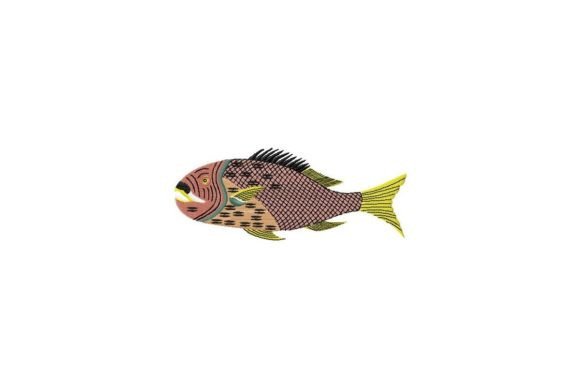
Raven Bek Plate: A Designer’s Review
As an embroidery designer who spends countless hours digitizing and testing files, I have learned that not every machine embroidery design is created equal. Some are functional but boring, while others are visually stunning but technically nightmare-inducing on the hoop. Recently, I came across Raven Bek Plate on Creative Fabrica, and it immediately caught my eye. This high-quality fish machine embroidery design is perfect for anyone who loves artistic creations, drawing inspiration from Louis Renard’s fanciful fish collection. I decided to take a closer look at this piece to determine if it holds up under the scrutiny of real-world commercial embroidery projects.
First Impressions and Visual Mood
The first thing that strikes you about Raven Bek Plate is its whimsical yet sophisticated aesthetic. It does not look like a standard clip-art fish; instead, it carries the weight of historical illustration mixed with modern textile art. The design captures the essence of Louis Renard’s 18th-century engravings, which were known for their vibrant colors and imaginative interpretations of marine life. For an embroidery designer, this means the file likely contains a rich variety of stitch types to mimic the texture of scales and fins.
The visual mood is playful but refined. It feels appropriate for boutique merchandise rather than mass-produced generic goods. When I imagine this stitched out, I see a blend of satin stitch for the outlines and definition, paired with intricate fill stitch patterns to create depth in the body of the fish. This combination is crucial for achieving that "high-quality" feel mentioned in the product description. If you are looking for a design that stands out on a crowded Etsy shop page, this artistic approach offers a distinct advantage over simpler, flat designs.
Practical Application in Real Projects
When evaluating a new embroidery file, I always ask myself: "Where would I actually use this?" Raven Bek Plate is versatile, but it shines brightest on items that allow the detail to be seen. Here is how I envision using this design in a professional setting:
- Tote Bag Design: A canvas tote bag provides a stable, flat surface that is ideal for showcasing the intricate details of the fish. The natural texture of canvas complements the organic subject matter.
- Sweatshirt Embroidery: Placing this design on the back of a crewneck sweatshirt or as a smaller pocket emblem on a cardigan creates a unique, custom apparel piece. It appeals to customers looking for nature-inspired fashion.
- Kitchen Towels and Aprons: Given the aquatic theme, this design is a natural fit for kitchen textiles. An embroidered apron with this fish could be a bestseller for cooking enthusiasts or professional chefs.
- Embroidered Patch: If the file size permits, this would make a stunning iron-on or sew-on patch. Patches are low-risk, high-reward products for craft fairs because they require no hooping of the final garment by the seller.
- Nursery Decor: The fanciful nature of the design makes it suitable for children’s rooms, perhaps on a pillow cover or a wall hanging, adding a touch of whimsy without being overly cartoonish.
Technical Considerations for Stitching
While the artistic merit of Raven Bek Plate is clear, the technical execution is where many designers face challenges. Before committing to a large batch of commercial embroidery, there are several practical factors to consider.
Fabric Choice and Stabilizer: Because this design is based on detailed illustrations, it likely relies on precise stitch placement. I recommend using a cut-away stabilizer for knit fabrics like sweatshirts to prevent distortion. For woven fabrics like tote bags or aprons, a tear-away stabilizer might suffice, but always test on scrap fabric first. The stitch density is a critical factor; if the design is too dense, it can pucker lightweight fabrics. If it is too sparse, the backing fabric might show through, especially on dark materials.
Thread Colors and Contrast: Louis Renard’s original works were colorful. To honor the source material, you will need a wide palette of thread colors. However, when selling handmade products, simplicity often sells. Consider offering a monochromatic version using varying shades of blue or teal for a more modern, minimalist look. Always check thread color contrast against your fabric. A dark fish on a navy shirt will vanish, so plan your mockups accordingly.
Hoop Size and Placement: One limitation to verify is the hoop size required. Detailed fish designs often need a medium to large hoop to maintain clarity. If you are working with small hoops, such as those for caps, you must ensure the design scales down without losing integrity. Tiny details can become tangled threads if the design is reduced too much. For curved surfaces like caps, use a strong stabilizer and consider simplifying the design if possible, though Raven Bek Plate seems best suited for flat or gently curved surfaces.
Enhancing Product Value and Brand Consistency
Using a distinctive design like Raven Bek Plate can significantly impact your brand perception. In the world of online sales, particularly on platforms like Etsy, visual appeal drives clicks. A unique, artistic digital embroidery file allows you to create a printable mockup that looks professional and curated. This helps build buyer trust, as customers perceive the item as a thoughtful, personalized gift rather than a generic commodity.
Consistency is key. If your brand focuses on nature, history, or artistic flair, this fish design aligns perfectly. It adds to your library of design assets that define your shop’s identity. When customers see a cohesive collection of high-quality embroidered items, they are more likely to engage with your brand and return for future purchases. The "fanciful" nature of the fish invites storytelling in your product descriptions, which can boost customer engagement and social media shares.
Final Verdict and Best Practices
Is Raven Bek Plate worth downloading? For designers who value artistic integrity and are willing to pay attention to technical details, yes. It offers a departure from the mundane and provides a opportunity to create standout finished products. However, success depends on proper preparation.
- Check File Details: Before purchasing, confirm the available formats and hoop sizes on the Creative Fabrica product page. Ensure compatibility with your specific embroidery machine.
- Review Licensing: Understand the terms for commercial embroidery. Most Creative Fabrica designs allow for physical sales, but always double-check to protect your business.
- Test Stitch: Never skip the test stitch. Run the design on a similar fabric to your final product to check for puckering, thread breaks, or color issues.
- Inspect Small Details: After stitching, examine the fine lines. If any areas look messy, adjust your tension or stabilizer before producing inventory.
In conclusion, Raven Bek Plate is a compelling addition to any embroidery designer’s toolkit. It bridges the gap between historical art and modern textile craft, offering a unique aesthetic for custom apparel, home decor, and accessories. By respecting the technical requirements of the design and leveraging its visual appeal, you can create high-value items that resonate with customers seeking quality and creativity.