Reviewing A Bat: A Designer’s Take on Personalized Gifts
As an embroidery designer who spends more time at the hoop than away from it, I am always on the lookout for digital files that balance aesthetic charm with technical reliability. When I recently downloaded A Bat, a digital embroidery design intended for patchwork, napkins, and home textiles, I approached it with the critical eye of someone who needs to deliver flawless results to paying customers. In the world of handmade products, a design is only as good as its final stitch-out. This review explores how this unique piece performs in a real-world shop setting, specifically for those of us creating personalized gifts and custom decor.
First Impressions: Mood and Market Appeal
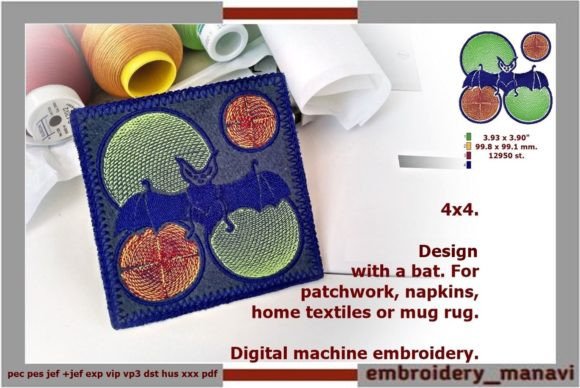
The first thing that struck me about A Bat was its versatility. While bats are often associated with Halloween or gothic aesthetics, this particular design leans into a softer, more whimsical interpretation. It feels playful yet elegant, making it suitable for a broader range of applications than one might initially assume. For an Etsy seller or a small shop owner, this duality is gold. It allows you to market the same machine embroidery design to different niches depending on your thread color choices and fabric selection.
The detail level is moderate, which is crucial for scalability. Intricate designs often lose their definition when scaled down for smaller items like mug rugs or baby clothes. However, A Bat maintains its structural integrity, suggesting that the digitizer paid close attention to stitch density and pathing. The emotional appeal is warm and inviting, lacking the harshness sometimes found in animal-themed Embroidery. It feels handmade in the best possible way, offering that organic touch that machine-made mass production simply cannot replicate.
Real-World Applications for the Modern Crafter
To truly test the viability of this file, I imagined several customer scenarios. Let’s say a client approaches you for a meaningful personalized gift. They might want a nursery item for a friend who loves nature-inspired decor. Here, A Bat shines as a centerpiece for baby embroidery projects. Placed on a soft muslin blanket or a onesie, it becomes a charming focal point. However, one must be cautious with stretchy baby clothes. The stability of the design depends heavily on using the correct stabilizer to prevent puckering, especially if the bat features any satin stitches that pull on the fabric.
Beyond the nursery, consider the home textile market. An embroidered towel or a set of kitchen napkins featuring this design can elevate a simple housewarming present into a cherished keepsake. For wedding gifts, while a bat might seem unconventional, pairing it with botanical elements or using metallic threads could create a sophisticated, art deco-inspired look, as hinted in the product description. It could easily adorn a cocktail napkin set or a linen table runner for a couple with a unique, modern style.
For those selling at craft fairs, tote bags and pillow covers are high-volume items. A Bat works exceptionally well here because it is distinct enough to catch the eye from a distance but simple enough to stitch out quickly. Speed matters in a small shop product lineup, and a design that does not require excessive trimming or complex color changes can significantly improve your profit margins.
Navigating Technical Challenges and Fabric Choices
While the design is robust, no digital embroidery file is immune to poor execution. There are specific contexts where A Bat requires careful handling. If you are working with textured fabric, such as waffle weave towels or heavy terrycloth, the finer details of the bat’s wings or face might get lost. In these cases, I recommend increasing the size of the design slightly or choosing a contrasting thread color to ensure visibility.
Dark fabrics present another challenge. If you are stitching on navy or black material, you must ensure your thread colors have enough contrast. A dark brown bat on a black shirt will vanish. Always create a printable mockup or do a test stitch on scrap fabric before committing to the final product. This step is non-negotiable for maintaining professional standards. Additionally, check the hoop size requirements. If the design is large, ensure your machine can accommodate the necessary frame without re-hooping, which can lead to alignment issues.
Another consideration is the frequency of washing. Items like aprons and kitchen towels undergo rigorous cleaning. To ensure the longevity of your finished product, verify that the stitch density is not too high, which can perforate the fabric over time, nor too low, which might allow threads to snag. A balanced density ensures the design survives multiple wash cycles without losing its shape.
Enhancing Perceived Value and Customer Trust
From a business perspective, the quality of your embroidery directly impacts customer trust. A clean, well-digitized design like A Bat contributes to the perceived value of your handmade product. When customers see precise stitching with no loose threads or puckering, they associate that quality with your brand. This emotional connection encourages repeat business and positive reviews.
Product photography also plays a vital role. Because A Bat has a distinct silhouette, it photographs well against plain backgrounds. Use natural light to highlight the texture of the threads. Showcasing the design on various items—such as a pillow cover, a tote, and a mug rug—demonstrates versatility to potential buyers. It shows them that you are not just selling a stitch pattern, but a lifestyle aesthetic. This approach is particularly effective for commercial embroidery businesses looking to expand their catalog beyond standard monograms.
Practical Steps for Successful Stitch-Outs
Before you list this item in your shop or fulfill a custom order, follow these practical steps to ensure success:
- Test on Scrap Fabric: Always run a test stitch on the same type of fabric you intend to use for the final product. This helps you identify any tension issues or registration errors.
- Check Thread Color Contrast: Use a color chart to preview how different thread combinations will look. High contrast usually yields a more striking image.
- Confirm Hoop Size: Ensure the design fits within your available hoop dimensions without needing to split the image, unless you are experienced in multi-hoop techniques.
- Review Stitch Density: Look at the file properties. If the density seems high for lightweight fabric, consider using a heavier stabilizer or adjusting the tension.
- Use Proper Stabilizer: Match your stabilizer to your fabric. Cut-away stabilizers are generally better for garments that will be washed frequently, while tear-away works well for stable home decor items.
- Compare Light and Dark Mockups: Visualize the design on both light and dark backgrounds to determine which thread palettes work best for each scenario.
- Check Small Details: After stitching, inspect the smallest parts of the bat, such as the eyes or wing tips, to ensure they are crisp and not buried under excess thread.
- Confirm Commercial Licensing: Before selling any finished product made with this file, double-check the license terms provided by the creator. Ensure you have the right to sell items made with the embroidery file commercially.
Final Thoughts on A Bat
In the crowded marketplace of digital designs, finding a file that is both aesthetically pleasing and technically sound is rare. A Bat offers a delightful blend of whimsy and professionalism. It fits seamlessly into the Animals category while transcending typical seasonal limitations. For the serious crafter, it represents an opportunity to create diverse products, from cozy blanket embroidery to chic apparel accents.
By paying attention to fabric texture, stabilizer choice, and thread contrast, you can transform this digital asset into a high-value physical product. Whether you are a seasoned Etsy seller or a newcomer to custom embroidery, this design provides a solid foundation for building a collection that resonates with customers seeking unique, heartfelt gifts. Remember, the magic lies not just in the file itself, but in how you bring it to life through thoughtful craftsmanship.