Twin Flowers: A Designer’s Review for Craft Fair Success
As an embroidery designer who has spent countless hours behind the hoop and even more time standing behind a booth table at weekend markets, I have learned that not all designs are created equal. Some look beautiful on a screen but disappear in person. Others are so dense they pucker the fabric before you even finish the first color change. Today, I am putting Twin Flowers under the microscope. This isn’t just about aesthetics; it is about viability. If you are a craft fair seller, an Etsy shop owner, or a creative entrepreneur looking to expand your small shop product line, you need designs that work as hard as you do.
First Impressions: The Visual Appeal of Twin Flowers
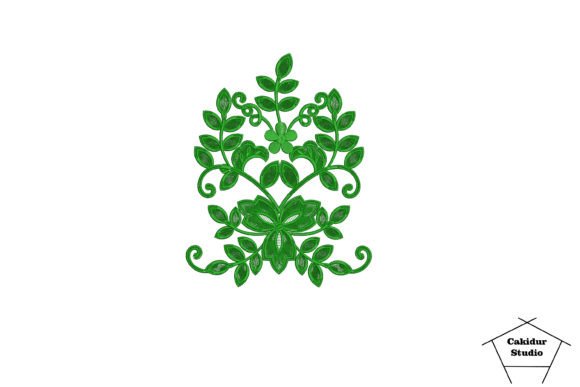
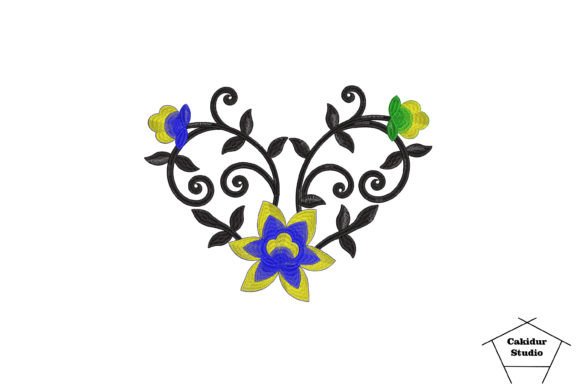
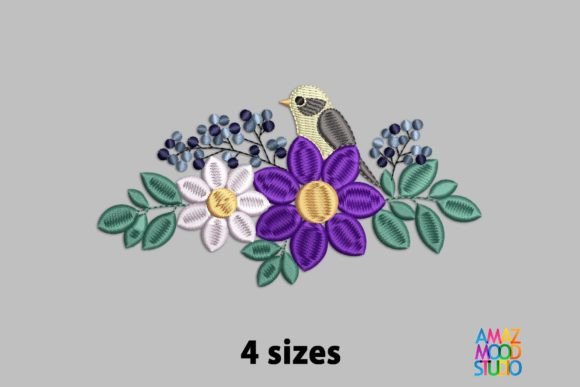
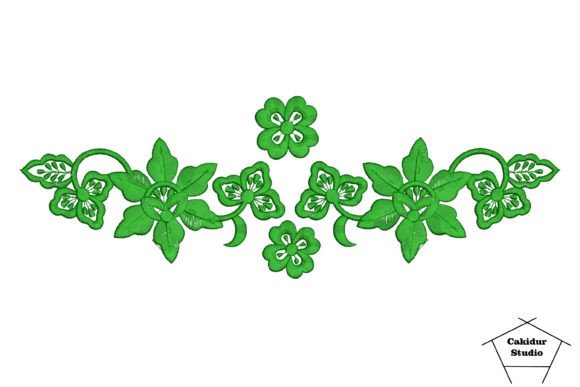
The product description promises that the Twin Flowers pattern is a high-quality machine embroidery design that makes your work look "out of this world." From a designer’s perspective, the title suggests symmetry and balance. In the context of the Bouquets category, we are likely looking at a floral motif that relies on pairing elements to create a cohesive look. For a handmade market, this is crucial. Customers walking past your booth scan items in seconds. A design like Twin Flowers needs to read clearly from three feet away.
If the design features an "adorable accent," as described, it likely leans toward a soft, charming, or perhaps rustic aesthetic. This versatility is key. It doesn’t scream "modern minimal" nor does it shout "vintage overload." Instead, it sits in that sweet spot of decorative appeal that works for a wide demographic. Whether you are targeting bridesmaids, home decor enthusiasts, or parents looking for unique gifts, a floral accent that feels premium yet approachable is a strong contender for your craft fair product lineup.
Product Versatility: Where Twin Flowers Shines
The true test of any digital embroidery file is its adaptability. Can it survive the transition from a tiny pocket to a large tote? Let’s break down how Twin Flowers performs on common handmade items.
- Tote Bags and Market Bags: This is arguably the best home for Twin Flowers. A tote bag offers a flat, stable surface with plenty of room. Placing the design on the lower corner or centered creates a balanced tote bag design that looks intentional and stylish. The floral element adds a touch of nature that appeals to eco-conscious shoppers.
- Apron Embroidery: Kitchenware is a staple at craft fairs. An apron with a subtle floral accent near the pocket or chest area elevates a basic utility item into a giftable handmade product. Twin Flowers works well here because it doesn’t need to be massive to make an impact.
- Tea Towel Embroidery: Textiles are tricky. If the design is too dense, the towel will bunch up. However, if Twin Flowers is designed with appropriate spacing, it adds a lovely custom touch to linen or cotton towels. It transforms a standard kitchen item into a boutique piece.
- Embroidered Patches and Caps: For smaller applications, clarity is king. If you plan to use this as an embroidered patch or on a curved cap surface, you must check the detail level. Tiny petals can get lost if the stitch count is too high for the size. Always test on scrap fabric first.
- Pillow Covers and Pouches: These items benefit from a central focal point. Twin Flowers can serve as the hero image on a pillow cover, drawing the eye and adding texture to home decor displays.
Production Practicality: Batch Selling and Efficiency
For those of us running a business, time is money. A design might look stunning, but if it takes four hours to stitch and requires constant thread trimming, it is not sustainable for a high-volume Etsy seller or market vendor. When evaluating Twin Flowers for commercial embroidery, consider the stitch density. A well-digitized floral design should have enough density to cover the fabric without being so thick that it becomes stiff or board-like.
Photography is another critical factor. Does the design photograph well for your online listings? Floral designs often capture light beautifully, creating shadows and highlights that add depth to your printable mockup or real-life photos. A design that looks flat in person will look flat online. Twin Flowers, with its promise of an "adorable accent," likely has enough dimensionality to pop in Instagram posts and Pinterest pins, driving traffic to your shop.
Careful-Use Notes for Professional Results
Even the best design assets require careful handling. Here are specific considerations to ensure your finished product meets professional standards:
- Fabric Texture: Thick fabrics like denim or canvas may require a sharper needle and stronger stabilizer. Conversely, delicate silks might pull or pucker if the stitch density is too aggressive. Always match your stabilizer to your fabric weight.
- Thread Colors: Floral designs live or die by color choice. While the digital file comes with suggested colors, do not be afraid to experiment. High-contrast thread colors can make the design stand out on dark fabrics, while tonal shades create a sophisticated, subtle look on lighter materials.
- Hooping and Stabilization: Ensure you confirm the required hoop size before starting. If the design is larger than your standard 4x4 hoop, you may need a 5x7 or 6x10 hoop. Proper hooping prevents shifting, which is disastrous for symmetrical designs like Twin Flowers.
- Small Details: If the design includes tiny leaves or intricate centers, verify that these details hold up at smaller sizes. If you are shrinking the design for a pocket, some fine details may merge together. Check the preview in your embroidery software.
Boosting Brand Consistency and Buyer Engagement
Using a consistent design language helps build your brand. If your shop specializes in botanical or rustic themes, Twin Flowers fits seamlessly into that narrative. It reinforces your identity as a creator who values natural beauty and quality craftsmanship. When customers see a cohesive collection of items—aprons, towels, and bags—all featuring similar floral motifs, they perceive higher value. It suggests a curated collection rather than random items.
Furthermore, engaging buyers often comes down to the story you tell. You can highlight the "Twin" aspect of the flowers, perhaps framing it as a symbol of friendship, partnership, or balance. This emotional connection can turn a casual browser into a buyer. For booth displays, group items featuring Twin Flowers together. Create a vignette with a tea towel, a matching pouch, and a tote bag. This cross-selling technique encourages customers to buy multiple items.
Final Designer Verdict
Before you commit to producing fifty units for your next fair, do your due diligence. The product description notes that this is a high-quality design, but you must verify the technical specs. Check the license terms to ensure you have rights for commercial embroidery sales. Most digital sellers allow finished product sales, but restrictions on sharing the file itself are universal. Respect intellectual property.
Test the design on various fabrics. Compare how it looks on a crisp cotton versus a textured linen. Create at least one real mockup to gauge the actual size and impact. If Twin Flowers delivers on its promise of an adorable, high-quality accent, it will be a reliable workhorse in your design library. It offers the flexibility needed for diverse products while maintaining the aesthetic appeal that draws customers in. For the handmade shop owner looking to elevate their Bouquets and floral offerings, this design is worth a serious look. Just remember: the magic is in the execution. Perfect tension, the right stabilizer, and thoughtful color choices will make Twin Flowers truly shine in your booth.