Beetle Embroidery Design: A Designer’s Practical Review
As a designer who has spent countless hours digitizing and stitching thousands of files, I approach every new machine embroidery design with a mix of curiosity and skepticism. We have all been there: you download a file that looks stunning in the preview software, only to find it turns into a bird’s nest of thread breaks and puckering on actual fabric. That is why I took a close look at Beetle, not just as a digital asset, but as a potential cornerstone for real-world embroidery projects. This review is written for fellow designers, Etsy sellers, and craft entrepreneurs who need to know if a design will hold up under the needle before they commit it to a client’s garment or a shop inventory item.
First Impressions: Mood and Visual Personality
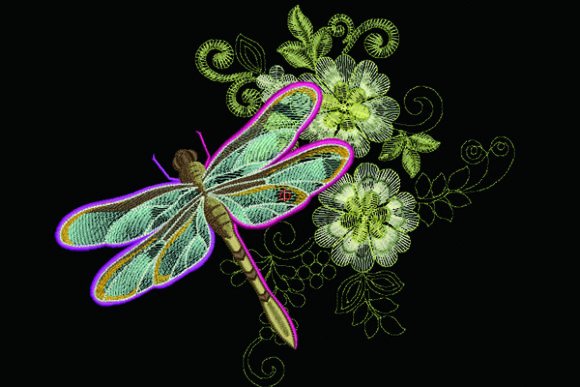
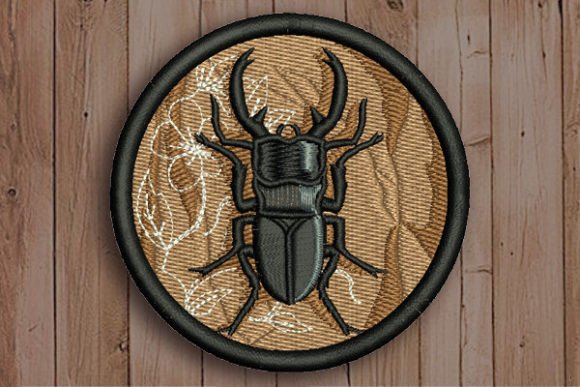
The first thing that strikes me about Beetle is its balance between whimsy and elegance. In the world of Bugs themed embroidery, designs often lean too heavily into cartoonish exaggeration or overly complex realism that demands impossible stitch counts. Beetle sits comfortably in the middle. It feels fun and easy to stitch, yet it retains a sophisticated silhouette that allows it to look gorgeous on a wide variety of textiles. The layout suggests a thoughtful approach to stitch density, avoiding the heavy, cardboard-like feel that plagues so many amateur digitizations.
For a designer, this visual personality is crucial. It means the design is versatile. It does not scream "children's room" exclusively, nor does it feel too stiff for casual wear. It has a natural charm that translates well across different demographics, making it a safe bet for diverse product lines.
Real-World Application: From Tote Bags to Sweatshirts
To truly evaluate an embroidery file, you have to imagine it on actual products. I mentally placed Beetle on several common items I produce for my small shop. Here is how it performed in those scenarios:
- Tote Bag Design: On a canvas tote, the design’s structure holds up beautifully. The likely use of fill stitch for the body of the beetle provides enough coverage to stand out against the textured weave of cotton canvas without sinking in. It becomes a focal point that elevates a simple bag into a boutique-style accessory.
- Sweatshirt Embroidery: When imagined on a fleece or French terry sweatshirt, Beetle shines. The design appears robust enough to handle the loft of thicker fabrics. For a custom apparel business, this is a winner because it offers high visual impact without requiring excessive stabilization tricks that slow down production.
- Baby Embroidery: For baby onesies or burp cloths, the "fun and easy" nature of the design is a major plus. Parents love nature-inspired motifs that are gentle and cute. However, one must ensure the thread colors are soft and appealing, avoiding harsh contrasts that might look aggressive on delicate infant items.
- Embroidered Patch: I can easily see Beetle working as an iron-on or sew-on patch. The defined edges suggest it would cut cleanly, making it a great add-on product for a craft business looking to expand beyond direct-to-garment stitching.
Technical Considerations and Fabric Compatibility
While Beetle is described as high-quality and suitable for any fabric, experienced stitchers know that "any fabric" requires some caveats. The performance of any digital embroidery file depends heavily on the interaction between the needle, the thread, and the material.
Fabric Texture and Stability: On smooth, woven cottons or linens, Beetle should stitch out cleanly with standard cut-away or tear-away stabilizer. However, if you are stitching on textured fabrics like terry cloth or waffle knit, you may need to adjust your tension or use a topping to prevent the stitches from sinking. The design’s elegance relies on clear definition; if the texture of the fabric overwhelms the satin stitch outlines, you lose that crisp look.
Stretchy and Thin Fabrics: Caution is advised when placing this design on thin, stretchy knits or silk. If the design has dense areas, it could cause puckering. I always recommend testing on scrap fabric first. If you are creating a personalized gift on a delicate blouse, consider using a lightweight stabilizer and perhaps reducing the density slightly if your machine allows for editing, or choosing a larger hoop size to distribute the tension more evenly.
Dark Fabrics: One practical tip for holiday embroidery or dark garments is to check how the design looks with underlay stitches. If Beetle uses light thread colors on dark fabric, ensure the digitizer has included sufficient underlay to prevent the background fabric from showing through the fill areas. A quick test stitch on black cotton will tell you everything you need to know about coverage.
Commercial Value and Brand Consistency
For small shop product creators and Etsy sellers, the choice of design assets directly impacts brand perception. Beetle offers a level of professionalism that builds customer trust. A clean, well-stitched design signals quality. When a customer receives a finished product where the embroidery is neat, centered, and free of jumps or loose threads, they are more likely to leave a positive review and return for future purchases.
Using a versatile design like Beetle also aids in creating cohesive printable mockup libraries. Because it looks good on various backgrounds, you can create consistent marketing images for your online store, whether you are showcasing a cap, a pillow cover, or a kitchen towel. This consistency strengthens brand recognition and makes your shop look curated and intentional.
Practical Designer Notes for Best Results
Before you run this design on a final client project, here are my top recommendations for ensuring success:
- Test on Scrap Fabric: Never skip this step. Stitch Beetle on the same type of fabric you plan to use for the final item. Check for puckering, thread breaks, or registration issues.
- Check Thread Color Contrast: The mood of the beetle changes drastically with color choices. Experiment with metallic threads for a luxe look or matte cottons for a rustic, handmade feel. Ensure there is enough contrast between the design elements so the details remain visible.
- Confirm Hoop Size and Placement: Verify that the design fits comfortably within your chosen hoop, leaving enough margin for the frame to grip the fabric securely. For curved surfaces like caps, ensure the design is centered and appropriate for the available stitching area.
- Review Licensing Terms: As a commercial embroidery user, always confirm the license terms provided with the design assets. Ensure you have the right to sell finished items featuring Beetle if that is your business model. While the description mentions it comes with multiple embroider options, clarify if these are different formats or variations.
- Inspect Small Details: Zoom in on the digitizing software. Look for tiny running stitch connections that might be fragile. If there are very fine details, consider whether they will survive frequent washing, especially for items like baby clothes or kitchen towels.
Final Verdict
Beetle is a strong contender for any embroidery designer’s library. It bridges the gap between playful and elegant, making it suitable for a wide range of handmade products from holiday gifts to everyday custom apparel. Its apparent ease of stitching and high-quality finish make it a reliable choice for both hobbyists and professional craft businesses. By paying attention to fabric choice, stabilization, and thread selection, you can ensure that Beetle delivers the gorgeous, professional results promised in its description. It is a design that respects the maker’s time and the customer’s eye, which is ultimately what matters most in our trade.