Cowboy with Horse: A Designer’s Review for Western Embroidery
When I first pulled up the Cowboy with Horse design on my screen, my immediate thought was about atmosphere. In the world of machine embroidery, we often get bogged down in technical specs—stitch counts, color changes, and file formats—but the soul of a design lies in its visual narrative. This particular piece promises to add a distinct western feel to fabrics, targeting that ever-popular farmhouse and country aesthetic. As an experienced designer who has stitched thousands of designs for clients ranging from boutique apparel shops to Etsy sellers, I look at Cowboy with Horse not just as a digital file, but as a potential finished product. Does it hold up under the needle? Does it translate well from pixel to thread? Let’s break it down.
First Impressions: Mood and Visual Personality
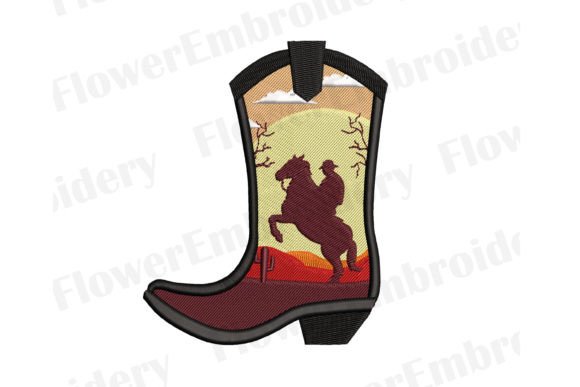
The theme here is unmistakably rustic. The combination of a cowboy and a horse evokes nostalgia, ruggedness, and a sense of timeless tradition. For a designer, this is valuable because it taps into a specific emotional response from the buyer. It isn’t just a picture; it’s a lifestyle marker. The layout appears balanced, likely utilizing a mix of fill stitches for the larger masses of the horse and cowboy, and potentially satin or running stitches for finer details like facial features or tack equipment.
What stands out is the versatility of the subject matter. While many western designs lean heavily into clichés, a well-executed Cowboy with Horse motif can feel authentic rather than kitschy. The key, as always, is in the digitizing quality. Are the transitions smooth? Is there excessive jump stitching that might snag on delicate fabrics? From a visual standpoint, the silhouette needs to be strong enough to be recognizable even from a distance, which is crucial for items like tote bags or pillow covers where the viewer might not be examining every individual stitch.
Real-World Application: Where This Design Shines
I recently worked on a custom order for a client launching a small line of heritage-style home goods. We needed a centerpiece design for a heavy canvas tote bag. Cowboy with Horse was a top contender. Why? Because the subject matter complements the texture of natural fibers like cotton canvas or linen. When stitched onto a neutral-toned tote, the earthy thread colors typically associated with this theme—browns, tans, deep greens, and creams—create a harmonious, high-end look.
Beyond home decor, this design has significant potential in custom apparel. Imagine this embroidered on the back of a denim jacket or the chest of a flannel shirt. For sweatshirt embroidery, the design needs to be scaled correctly to avoid looking cluttered. If the digitizing includes fine details, they might get lost in the fleece texture, so I would recommend testing a larger size for bulky garments. For baby embroidery, such as a nursery blanket or a onesie, the design could be softened by using pastel thread colors, transforming the rugged cowboy theme into something gentle and gift-worthy.
For Etsy sellers and craft business owners, this design fits perfectly into the "personalized gift" market. Adding a name beneath the horse or integrating it into a monogram frame can increase the perceived value of the finished product. It works well for holiday embroidery too, particularly for Father’s Day or Christmas gifts for the outdoors enthusiast in your life.
Technical Considerations and Fabric Compatibility
While the aesthetic appeal is strong, practical application requires a critical eye. Not every fabric behaves the same way under the needle. Here is where my experience as a reviewer comes into play. You must consider stitch density. If the Cowboy with Horse design is heavily filled, it can cause puckering on thin or stretchy fabrics. I always advise testing on scrap fabric first, especially if you are working with jersey knits for t-shirts or lightweight silks for scarves.
Stabilizer choice is non-negotiable. For a design of this nature, which likely covers a moderate to large area, a cut-away stabilizer is often safer for garments that will be washed frequently, while a tear-away might suffice for stable home decor items like aprons or tea towels. If you are attempting cap embroidery, be cautious. Curved surfaces distort designs. Unless the digitizing was specifically optimized for hats, the proportions of the horse and rider might look warped on a structured cap.
Dark fabrics present another challenge. If you are stitching on black denim or navy fleece, you need to ensure the design has proper underlay stitches to prevent the background fabric from showing through the lighter thread colors. A poor-quality embroidery file will look patchy on dark materials, ruining the professional finish of your handmade product.
Enhancing Product Value and Brand Consistency
For small shop owners and commercial embroidery professionals, consistency is key. Using a high-quality Cowboy with Horse design can elevate your brand identity if it aligns with your niche. It signals to customers that you understand their aesthetic preferences. However, presentation matters. When creating printable mockups or digital product previews, ensure the lighting and angle showcase the texture of the stitches. Buyers of handmade items want to see the tactile quality of the embroidery.
This design can also serve as a powerful asset for boutique branding. If you are selling western-themed accessories, having a signature motif like this can make your products instantly recognizable. It builds trust. Customers associate clean, well-stitched designs with professionalism. Conversely, a messy execution with loose threads or misaligned colors can damage your reputation quickly. Always inspect small details before listing an item for sale.
Practical Notes for the Embroidery Designer
Before you load this design into your machine, take a moment to review the technical specifics. Since the product description mentions it comes in multiple formats, verify that you have the correct file type for your specific machine software. Check the recommended hoop size. Trying to force a large design into a small hoop is a recipe for disaster.
- Test Stitch Out: Always run a test on similar fabric to check for tension issues.
- Thread Contrast: Choose thread colors that provide enough contrast to define the shapes without clashing.
- Density Check: If the design feels stiff after stitching, consider reducing the density in your editing software if possible.
- Licensing: Confirm the license terms. Can you use this for commercial embroidery projects? Can you sell the finished product? Never assume.
- Mockups: Test the design in black and white to ensure the shape holds up without color reliance.
In conclusion, Cowboy with Horse is a compelling choice for anyone looking to infuse their projects with western charm. Whether you are creating a personalized gift, stocking your Etsy shop, or designing a new line of farm-inspired decor, this design offers a solid foundation. However, its success depends entirely on your execution. Respect the fabric, choose the right stabilizer, and pay attention to the details. When done right, this embroidery project will not just decorate a item; it will tell a story.