Creative Element: A Cozy Wedding Design Review
As a designer who spends more time staring at stitch maps than most people spend on their phones, I approach every new machine embroidery design with a mix of curiosity and skepticism. We've all been there: you download a file that looks stunning on the screen, only to find it turns into a bird's nest of thread on your actual fabric. That is why I took a close look at Creative Element, a piece categorized under Wedding Designs, to see if it holds up under the needle for real-world projects.
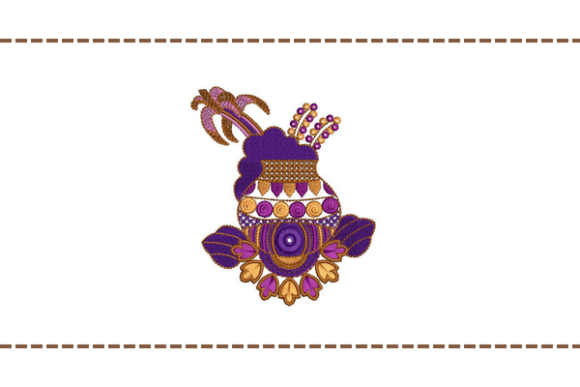
The first thing that strikes you about Creative Element is its mood. The description promises a "cozy and artistic feel," and visually, it delivers. Unlike many wedding motifs that lean heavily into rigid, formal geometry or overly intricate lace patterns that demand perfect tension, this design feels organic. It has a visual personality that suggests warmth rather than just ceremony. For a craft business owner, this is gold. It allows you to pivot from strict bridal party gifts to broader home decor markets without changing your aesthetic voice.
Putting Creative Element to the Test
To truly evaluate an embroidery file, you have to imagine it on a finished product. I visualized this design on a custom linen tote bag intended as a bridesmaid proposal gift. The layout of Creative Element seems balanced enough to sit centrally on a tote without looking lost, yet detailed enough to draw the eye. If you are an Etsy seller looking to expand beyond standard monograms, this design offers a unique selling point. It transforms a simple canvas bag into a handmade product that feels curated and high-end.
I also considered its application on sweatshirt embroidery. Wedding season often overlaps with cooler months, and brides love coordinating hoodies for getting-ready photos. The artistic nature of this design suggests it would pair beautifully with a heather grey or soft blush fleece. However, this is where we need to talk about execution. The "cozy" vibe likely comes from a specific combination of stitch types. If the design utilizes a lot of fill stitch to create texture, you must be mindful of the stitch density. On thick sweatshirt fabric, high density can cause puckering if the stabilizer isn't up to the task.
Fabric Choices and Technical Considerations
One of the most critical aspects of reviewing Embroidery assets is understanding where they might fail. While Creative Element shines on stable fabrics like cotton, linen, or canvas, caution is advised when moving to trickier materials. If you plan to use this on a stretchy t-shirt or a thin silk blouse for a bride, you need to respect the limits of the hoop size and the stability of the material.
For textured fabrics, such as a waffle-knit kitchen towel or a rougher home decor pillow, the clarity of the design becomes paramount. Does Creative Element rely on tiny, intricate details that might get swallowed by the fabric texture? If the design includes fine running stitch outlines or delicate corners, these can get lost on high-pile or uneven surfaces. In a commercial setting, losing detail means losing perceived value. A customer paying for a personalized gift expects crisp lines, not a blurry mess.
Furthermore, consider the color palette. Wedding designs often default to whites, silvers, and golds. While Creative Element is versatile, testing your thread colors against the fabric background is non-negotiable. A light thread on a dark navy velvet pillow cover might look chic, but only if the contrast is sufficient to define the shapes. I always recommend creating a black-and-white mockup first. If the design loses its definition in grayscale, it will likely struggle on low-contrast fabric combinations in real life.
Commercial Viability and Brand Consistency
For those running a small shop product line, consistency is key. Creative Element fits well into a brand identity that values artisanal quality over mass-produced perfection. It works exceptionally well for nursery decor or holiday embroidery projects that need a softer touch. Imagine this stitched onto a baby blanket; the artistic flow would complement the softness of the item perfectly, making it a standout baby embroidery choice.
However, before listing this as a printable mockup or a finished good, you must verify the licensing terms. The prompt mentions it comes with "multiple embr," which likely refers to multiple formats or sizes, but it does not explicitly state the license type. As a professional, never assume a design is free for commercial embroidery use. Check if you are allowed to sell the finished product or if there are restrictions on the number of items you can produce. Protecting your craft business means respecting intellectual property just as much as protecting your stitch count.
Practical Notes for the Studio
If you decide to integrate Creative Element into your workflow, here is my practical checklist based on years of stitching:
- Test on scraps first: Never stitch a client's item with a new file. Run it on the exact same fabric weight you intend to use.
- Stabilizer selection: For home decor items like pillow covers, a cut-away stabilizer is usually safer to prevent long-term distortion, whereas tear-away might suffice for sturdy apparel.
- Check small details: Zoom in on the digital file. Are there tiny satin columns that might break? Is there overlapping satin stitch that could cause bulk?
- Verify hoop compatibility: Ensure the design fits your available hoops without needing excessive re-hooping, which can lead to alignment issues.
- Wash testing: If this is for an item that needs frequent washing, like a tea towel or apron, wash your test sample to ensure the threads don't bleed or the design doesn't pucker after laundering.
In conclusion, Creative Element appears to be a versatile asset for designers looking to add a touch of warmth to their portfolio. Its strength lies in its adaptability across various custom apparel and home goods, provided the technical constraints of fabric and density are managed. It is not just a pretty picture; it is a functional component for creating memorable, tactile experiences for your customers. Whether you are making a one-off embroidered patch or a full suite of wedding linens, this design invites you to slow down and appreciate the artistry of the stitch.