Review: Funny Hail Gay Satan Goth Pride Design
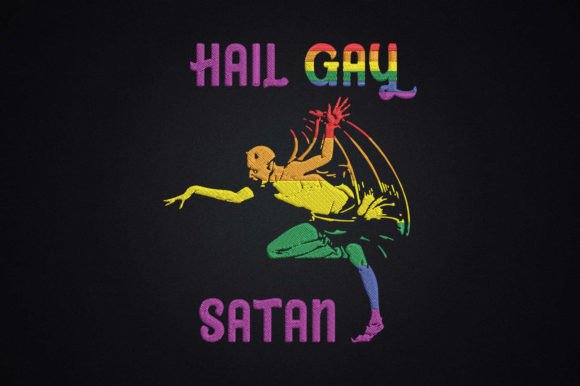
As a designer who spends more time staring at stitch maps than finished garments, I have learned that not every digital file translates well to fabric. Some designs look crisp on a screen but turn into a tangled mess of thread breaks and puckering once the needle hits the hoop. When I first pulled up the Funny Hail Gay Satan LGBT Goth Gay Pride embroidery design, my initial reaction was one of cautious curiosity. It is a bold statement piece, blending subversive humor with pride aesthetics, which immediately signals a specific target audience. But does it hold up under the mechanical stress of a home or commercial embroidery machine? After putting it through its paces on various fabrics, I am ready to share my practical assessment for fellow crafters, Etsy sellers, and apparel decorators.
First Impressions and Visual Personality
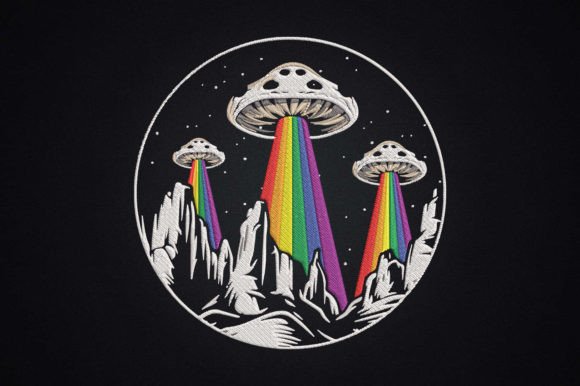
The immediate mood this design creates is rebellious yet celebratory. It sits firmly in the Awareness category, but it does so with a wink rather than a shout. The layout combines gothic typography with iconic pride symbolism, creating a visual tension that is eye-catching. For an embroidery project, this contrast is vital. If the lines were too thin, they would vanish; if too thick, they would lose the intricate "goth" feel. From a reviewer’s standpoint, the balance here feels intentional. The shape and detail level suggest that this is not a beginner’s first test run, but it is certainly manageable for anyone comfortable with basic digitizing principles.
What stands out most is the visual personality. It is not just a logo; it is a conversation starter. For small business owners and handmade shop owners, this is gold. Customers looking for personalized gifts or custom apparel often want something that reflects their identity without being generic. This design offers that niche appeal, fitting perfectly into the current trend of ironic, dark-academia-meets-pride aesthetics.
Real-World Application: The Tote Bag Test
To truly evaluate a machine embroidery design, you must move beyond the monitor. I decided to test this design on a heavy canvas tote bag, a popular item for craft fair products and boutique branding. Canvas provides a stable base, reducing the risk of distortion, which is crucial for designs with distinct lettering. As the machine ran, I monitored the stitch density closely. The design utilizes a mix of fill stitches for the broader shapes and satin stitches for the outlines and text. This combination is smart; it prevents the fabric from becoming overly stiff while ensuring the text remains legible.
The result was striking. On the neutral beige canvas, the thread colors popped with high contrast. I used a vibrant rainbow palette for the pride elements and a deep black for the gothic text, which grounded the design. For an Etsy seller, this kind of clarity is essential. A blurry or poorly stitched design leads to returns and negative reviews. Here, the edges were clean, and the coverage was solid. It transformed a simple tote into a statement accessory, proving its value as a commercial embroidery asset.
Fabric Considerations and Stitch Performance
While the tote bag was a success, I needed to see how the Funny Hail Gay Satan LGBT Goth Gay Pride design performed on trickier materials. I moved on to a cotton sweatshirt, a staple for custom apparel. Sweatshirts present challenges due to their texture and stretch. Without proper stabilization, the design can sink into the fleece, losing definition. I used a cut-away stabilizer, which is non-negotiable for knit fabrics. The outcome was pleasing, though I noticed that the smaller details required careful thread tension adjustments. If your machine tends to loop, this is where you will see it.
I also tested the design on a thinner cotton tea towel. This is where caution is advised. The stitch density, while appropriate for heavier fabrics, can cause puckering on lightweight materials. If you plan to use this for kitchen towels or baby clothes, I strongly recommend using a tear-away stabilizer and possibly scaling the design down slightly to reduce the total stitch count impact. Always test on scrap fabric first. This golden rule saves both material and reputation.
Navigating Dark and Textured Fabrics
One common question I receive from hobbyists is about using detailed designs on dark fabric. This design, with its gothic roots, naturally lends itself to black or navy garments. However, visibility is key. If you are stitching black thread on a black hoodie, the design will disappear unless you use textured threads or metallic accents to create depth. For best results on dark fabric, consider using a contrasting underlay or choosing thread colors that offer sufficient brightness against the background. The design’s structure supports this, but the final look depends entirely on your thread color choices.
Commercial Viability and Brand Consistency
For digital product sellers and creative entrepreneurs, the licensing aspect is paramount. Before listing any finished product on Etsy or at a craft fair, you must confirm the license terms associated with the digital embroidery file. Does it allow for commercial use of finished items? Most reputable designers do, but assumptions are costly. Assuming the license permits it, this design has high potential for brand consistency if your shop focuses on alternative, LGBTQ+, or humorous niches. It appeals to a demographic that values authenticity and edge.
Moreover, the design works well for printable mockups. Being able to show customers exactly how the embroidery will look on a cap, apron, or pillow cover before they buy increases conversion rates. The clear lines and recognizable shapes translate well into digital previews, helping buyers visualize the final product. This enhances buyer engagement and trust, two critical components of a successful online shop.
Practical Designer Notes for Best Results
To ensure your embroidery project meets professional standards, keep these technical tips in mind when working with this design:
- Check Hoop Size: Ensure your hoop is large enough to accommodate the full design without hitting the frame. The description mentions multiple file formats, so select the size that best fits your intended product.
- Stabilizer Selection: Match your stabilizer to your fabric. Use cut-away for knits and stretchy fabrics, and tear-away for woven, stable fabrics like cotton or canvas.
- Thread Quality: High-quality rayon or polyester threads reduce breakage and sheen inconsistencies. This is especially important for the satin stitch elements which rely on smooth light reflection.
- Test Stitching: Always run a test on a similar fabric scrap. Check for thread nests, puckering, or registration issues where colors meet.
- Detail Inspection: Zoom in on the digital file before stitching. Look for tiny running stitch areas that might get lost on textured fabrics. If necessary, simplify or enlarge those sections.
In conclusion, the Funny Hail Gay Satan LGBT Goth Gay Pride embroidery design is a robust choice for makers who want to add personality to their products. It balances aesthetic appeal with technical feasibility, provided you respect the limitations of your fabric and machine. Whether you are creating a holiday gift, a boutique product, or a custom patch, this design offers the versatility and impact needed to stand out in a crowded market. Just remember: preparation is half the battle. Choose your materials wisely, stabilize correctly, and let the machine do the rest.